 EN
EN

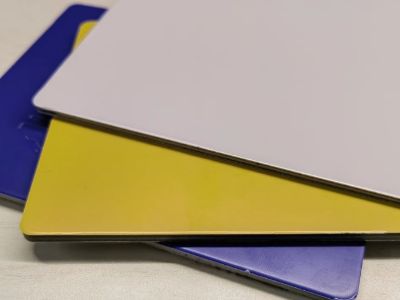
PVDF (Polyvinylidene Fluoride) coating is increasingly specified for exterior Aluminum Composite Panels (ACP) due to its exceptional properties that enhance performance and aesthetics in demanding environments. This article explores why pvdf acp coating is favored for exterior ACP sheets, addressing critical considerations for B2B buyers, including product quality, sourcing suppliers, and specific advantages over other finishes.
What Makes PVDF Coating Ideal for Exterior ACP Sheets?
PVDF coating is known for its excellent durability, flexibility, and resistance to harsh environmental conditions. Unlike standard coatings, PVDF offers superior protection against UV radiation, extreme temperatures, and chemical exposure. This makes it particularly suitable for exterior applications where long-lasting performance is essential.
Weather Resistance: PVDF-coated ACP sheets can withstand various weather conditions without fading or degrading, ensuring that the visual appeal remains intact over time.
Chemical Resistance: The coating is resistant to a wide range of chemicals, making it ideal for industrial environments where exposure to corrosive substances may occur.
Color Retention: PVDF coatings effectively resist color fading, ensuring that buildings maintain their aesthetic value for longer periods without frequent maintenance or repainting.
These properties make PVDF-coated ACP sheets a preferred choice for architects and builders looking for reliable and visually appealing materials for exterior applications.
How to Evaluate the Quality of PVDF Coated ACP Sheets?
When sourcing PVDF-coated ACP sheets, several quality indicators should be evaluated to ensure that the materials meet your project requirements.
Thickness and Structure: Check the thickness of the aluminum layers and the core material. Thicker panels generally offer better durability and performance.
Coating Thickness: Ensure the PVDF coating meets industry standards, usually around 25 microns. A consistent thickness contributes to improved longevity and performance.
Adhesion Testing: Quality pvdf acp sheet should pass adhesion tests, demonstrating their ability to bond effectively with the aluminum substrate under various conditions.
Visual Inspection: Look for uniform color application, smooth surface finish, and the absence of defects like bubbles or cracks, which could indicate poor manufacturing practices.
Evaluating these factors will help in selecting high-quality PVDF-coated ACP sheets that meet specific project requirements.
Where to Source Reliable PVDF Coated ACP Suppliers?
Finding trustworthy suppliers for PVDF-coated ACP sheets is critical for ensuring product quality and timely delivery. Here are some tips for sourcing reliable suppliers:
Industry Reputation: Research suppliers with a proven track record in the ACP market. Look for companies that have been in the industry for several years and have positive reviews from previous clients.
Certifications and Standards: Verify that potential suppliers comply with relevant industry standards and have certifications that demonstrate their commitment to quality.
Samples and References: Request samples of their PVDF-coated ACP sheets to evaluate quality firsthand. Ask for references from past clients to gain insight into their reliability and service.
Customization Capabilities: Discuss the supplier's ability to provide customized solutions to meet specific project requirements, such as color matching and panel dimensions.
By following these guidelines, you can establish a solid partnership with a supplier who meets your procurement needs effectively.
Comparing PVDF Coating to Other Finishes for ACP Sheets
While PVDF coating stands out for its durability and aesthetics, it's essential to compare it with other finishes to understand its advantages fully.
Polyester Coatings: Polyester coatings are less expensive and provide a good finish but lack the long-term durability and UV resistance of PVDF coatings. They are more prone to fading and degradation over time, making them less suitable for harsh environments.
Epoxy Coatings: Epoxy finishes offer excellent adhesion and chemical resistance but can be brittle and less flexible than PVDF coatings. This can lead to cracking under stress or temperature fluctuations.
Anodized Aluminum: Anodizing provides a protective layer to aluminum but does not offer the same color retention or UV resistance as PVDF. Additionally, anodized finishes can be more challenging to repair if damaged.
Overall, PVDF coatings provide a superior balance of durability, aesthetic appeal, and long-lasting performance, making them the preferred choice for exterior applications.
How PVDF Coating Enhances Durability in Exterior ACP Sheets?
The durability of PVDF-coated ACP sheets is enhanced through several key mechanisms that address common challenges faced in exterior applications.
UV Stability: PVDF has inherent UV resistance, which prevents color fading and degradation over time. This stability is crucial for maintaining the aesthetic quality of buildings exposed to direct sunlight.
Mechanical Strength: The chemical structure of PVDF contributes to a strong and flexible coating that can withstand physical impacts without chipping or cracking, maintaining the integrity of the pvdf panel.
Hydrophobic Properties: PVDF coatings repel water and contaminants, reducing the likelihood of mold, mildew, and staining. This property not only preserves the appearance but also minimizes maintenance needs.
Temperature Resistance: PVDF can endure extreme temperature variations without warping or losing its protective properties, making it suitable for diverse climates.
These durability-enhancing features significantly extend the lifespan of exterior ACP sheets, making them a cost-effective investment for commercial and industrial projects.
By understanding the unique advantages of PVDF coatings, B2B buyers can make informed decisions that align with their project specifications and long-term performance expectations.

