 EN
EN

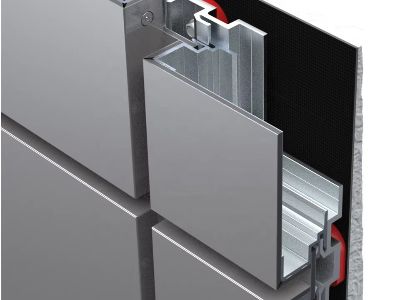
When we build or renovate a building, the outside walls are very important. This is where exterior wall cladding comes in. Jixiang knows that cladding is not just about looks; it also helps the building last longer and makes things easier during construction. With the help of Building Information Modeling (BIM), we can do a better job of planning and working together on construction projects. This article looks into how exterior wall cladding can improve construction and building quality.
What Are the Benefits of Exterior Wall Cladding in Construction Projects?
Exterior wall cladding is like a jacket for buildings. It protects them from bad weather and makes them energy-efficient. With Jixiang’s cladding, buildings can stay warm in the winter and cool in the summer. This means less money spent on heating and cooling. Cladding can also keep out rain, snow, and wind, which helps prevent damage over time. For example, a house with good cladding will have fewer problems with mold and rot. This is super important for keeping the building safe and healthy. Another big benefit is that cladding can make the building look really nice. There are many materials to choose from, like wood, metal, or brick, which can match the style of any building. Just imagine a modern office building with shiny metal cladding or a cozy house with warm wooden panels. Using the right cladding can make a big difference in how people feel about the building. Plus, when we use BIM in construction, it helps everyone understand how the cladding will fit with the rest of the building. This means fewer mistakes and less wasted time and materials. With Jixiang's expertise, we can ensure that the cladding fits perfectly and looks great, making the whole building project smoother.
How Exterior Wall Cladding Enhances Building Aesthetics and Durability?
One of the best things about exterior wall cladding is how it makes a building look. Jixiang offers cladding that can change a plain wall into something beautiful. For instance, a building that uses colorful panels can stand out in a city full of gray structures. This can attract more people and even make the area feel more lively. The choice of colors and materials is huge, allowing for creativity in design. But cladding is not just for looks; it also adds strength. Good cladding protects the walls from damage. For example, if a building is near the ocean, it might face strong winds and salty air. Cladding can help shield it from these harsh conditions. This way, the building lasts longer, and owners save money on repairs. When paired with BIM, designers can see how different cladding materials will hold up over time. They can choose the best options that look good and last long. This combination of beauty and durability makes Jixiang’s cladding a wise choice for any building project. It’s not just about making a building pretty; it’s about making it last!
What You Need to Know About BIM Integration for Wall Cladding Projects?
When it comes to building projects, understanding how to use Building Information Modeling, or BIM, is very important. BIM is a special computer program that helps designers and builders plan a building before it is made. It shows everything in 3D, which means you can see what the building will look like from all angles. For projects that involve wall cladding, which is the outer layer of a building, BIM can help a lot. With wall cladding, you want to make sure it looks good and protects the building from weather. Jixiang knows that when you use BIM for wall cladding, it helps everyone involved in the project see how the cladding fits with the rest of the building. This is important because if the wall cladding does not fit well, it can cause problems later. For example, if the wall cladding is too heavy or not strong enough, it might fall off or get damaged. BIM helps avoid thes
issues by allowing everyone to see a detailed plan before work starts. In addition, BIM makes it easier to share information. Everyone from architects to builders can look at the same model and see what needs to be done. This means everyone is on the same page and can work together better. Jixiang uses BIM to make sure that every detail of the aluminum composite wall panels is taken care of, from the materials used to how it is installed. This careful planning helps save time and money, and it also means that the wall cladding will be installed correctly the first time. In the end, using BIM in wall cladding projects leads to better buildings that are safe and look nice.
What Makes BIM Essential for Successful Wall Cladding Installations?
BIM is essential for successful wall cladding installations for many reasons. First, it helps with planning. Before any work starts, Jixiang uses BIM to create a detailed design that shows how the wall cladding will look. This design helps everyone understand what needs to be done. It also highlights any possible problems that could happen during installation. For example, if a wall is not straight or has a lot of pipes running through it, BIM can show these issues early on. This means that workers can plan how to fix these problems before they start putting up the cladding.
Another important reason why BIM is essential is that it helps with communication. When everyone on the team can see the same 3D model, it makes talking about changes and updates much easier. If an architect decides to change the type of cladding material, everyone can see how that change will affect the rest of the project. Jixiang believes that good communication is key to a successful installation. When everyone understands their role and how the wall cladding fits into the bigger picture, the project runs smoothly. Finally, BIM also helps with keeping track of costs. When Jixiang uses BIM, they can see how much each part of the aluminium composite panel wall cladding will cost. This helps to stay within budget and avoid surprises later. It also means that if there are any changes, they can quickly see how it will affect the overall cost. With all these benefits, it is clear that BIM is not just helpful; it is essential for making sure wall cladding installations are successful and done right.
What Are the Latest Trends in Exterior Wall Cladding and BIM Technology?
As technology changes, so do the ways we build and design buildings. One of the latest trends in wall cladding and BIM is the use of new materials. Designers are now looking at different types of cladding materials that are not only strong but also eco-friendly. This means that they are good for the environment, which is something more people are caring about today. Jixiang is excited about these new materials because they can help make buildings that look great while also being better for our planet.
Another trend is the use of smart technology in buildings. This includes sensors and systems that can monitor things like temperature and moisture. When combined with BIM, these smart technologies can help ensure that the aluminium composite wall panel is performing well. For example, if a sensor detects that moisture is building up behind the wall cladding, it can alert builders to fix the issue before it becomes a bigger problem. This way, buildings can last longer, and people can stay safe inside.
Lastly, collaboration tools are becoming more popular in BIM technology. These tools let teams work together more easily, even if they are in different places. Jixiang uses these tools to connect architects, builders, and clients so that everyone can see the updates in real time. This makes it easier to make decisions and keeps the project moving forward without delays. With these trends, the future of wall cladding and BIM technology looks bright, making building projects more efficient and environmentally friendly.
Table of Contents
- What Are the Benefits of Exterior Wall Cladding in Construction Projects?
- How Exterior Wall Cladding Enhances Building Aesthetics and Durability?
- What You Need to Know About BIM Integration for Wall Cladding Projects?
- What Makes BIM Essential for Successful Wall Cladding Installations?
- What Are the Latest Trends in Exterior Wall Cladding and BIM Technology?

