 EN
EN

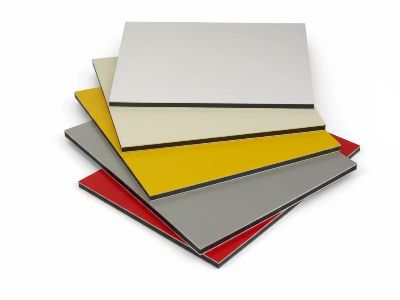
PVDF Aluminum Cladding vs. PE Coating: Key Differences for Building Exteriors
When it comes to building exteriors, choosing the right cladding material is very important. Different materials have different qualities, and they can affect how a building looks, performs, and lasts. Two popular choices are PVDF aluminum cladding and PE coating. Jixiang offers both options, and each has its own strengths and limitations. Understanding the differences between these coatings can help builders, contractors, and property owners select the right solution for their projects. Factors such as weather exposure, appearance, maintenance, durability, and budget should all be considered before making a decision.
What Are the Key Differences Between PVDF Aluminum Cladding and PE Coating?
PVDF aluminum cladding uses a coating based on polyvinylidene fluoride, commonly known as PVDF. This coating provides strong protection against environmental exposure and is commonly selected for exterior applications where long-term appearance and durability are important. One of the main advantages of PVDF is its resistance to weathering. Buildings are constantly exposed to sunlight, rain, wind, humidity, and airborne pollutants. A suitable exterior coating needs to withstand these conditions without significant deterioration. PVDF is generally known for maintaining its appearance and performance over extended periods when properly specified and installed.
PE coating, meanwhile, is generally based on polyester and is often selected as a more economical option. Its lower initial cost can make it attractive for projects with tighter budgets or applications where extreme long-term weather resistance is not the primary concern. A major difference between the two is color retention. Prolonged exposure to ultraviolet radiation can affect some exterior coatings, causing colors to fade over time. PVDF is generally better suited to applications where long-term color and finish retention are important.
Temperature changes are another consideration. Exterior cladding can expand and contract as temperatures change. A coating system needs to remain properly bonded to the substrate during these cycles. PVDF systems are commonly selected for demanding exterior environments because of their overall durability and resistance to environmental exposure.
Chemical resistance is also important in certain locations. Buildings near industrial facilities, busy roads, coastal areas, or other challenging environments may experience greater exposure to pollutants or corrosive elements. In such situations, a higher-performance coating may provide additional long-term value. At Jixiang, different projects can require different solutions. PVDF aluminium cladding sheet may be appropriate when durability and long-term appearance are priorities, while PE coating can be a practical choice when initial cost is a major consideration. The best option depends on the building's location, design, expected service life, and budget.
What Are the Common Usage Issues with PE Coating in Building Exteriors?
PE coating can be a useful and economical option, but buyers should understand its limitations before selecting it for an exterior application. One common concern is color fading. Exterior surfaces receive continuous exposure to sunlight. Over time, ultraviolet radiation can affect certain coatings and cause their original color to become less vibrant. The rate of fading depends on factors such as coating quality, color, climate, and exposure conditions. Another potential issue is surface damage. Exterior panels can be exposed to accidental impacts, scratches, and other physical stresses during transportation, installation, and everyday use. If the coating becomes damaged, the affected area may become more noticeable and could require repair.
Moisture management is another important consideration. If water enters areas where it should not, it can contribute to coating deterioration or other building-envelope problems. Proper installation, sealing, drainage, and panel detailing are therefore essential.
Installation quality can have a major effect on the performance of any exterior cladding system. Even a high-quality coating may perform poorly if panels are installed incorrectly. Contractors should follow the manufacturer's installation instructions and use appropriate fasteners, joints, sealants, and supporting structures. Maintenance is also important. Regular cleaning can remove dust, dirt, and pollutants that accumulate on the exterior surface. A suitable cleaning method should be used to avoid damaging the coating. Jixiang recommends considering the building's environment before selecting a coating. For projects exposed to strong sunlight, coastal conditions, pollution, or demanding weather, a higher-performance coating such as PVDF may provide better long-term protection.
How Do PVDF and PE Coatings Compare in Weather Resistance and Cost?
Weather resistance is one of the most important factors when selecting an exterior cladding system. Buildings may experience intense sunlight, heavy rainfall, high humidity, temperature fluctuations, and airborne pollutants throughout their service life. PVDF aluminum cladding is generally preferred for demanding exterior applications because of its strong resistance to weathering and ultraviolet exposure. Its ability to retain its appearance over time can be particularly valuable for commercial buildings where exterior appearance contributes to the property's overall image. PE coating can also provide suitable performance for many applications, but its long-term resistance to weathering is generally lower than that of higher-performance PVDF systems. In areas with intense sunlight or challenging environmental conditions, the difference may become more noticeable over time.
Cost is another major factor. PE coating is generally more affordable at the initial purchasing stage. This can make it attractive for projects where keeping the upfront budget low is important. PVDF composite panels cladding usually requires a higher initial investment. However, the additional cost can potentially provide value through longer-lasting appearance, reduced maintenance needs, and improved resistance to environmental exposure. For this reason, buyers should consider total lifecycle cost rather than looking only at the initial purchase price. A less expensive material may require more frequent maintenance or replacement, while a higher-performance system may provide better long-term value. The right decision depends on the building. For a temporary structure or a project where budget is the primary concern, PE may be suitable. For commercial buildings, high-end developments, or structures located in harsh environments, PVDF may be a better long-term investment. Jixiang provides both options so customers can select a coating system according to their specific project requirements.
How Can You Maintain PVDF Aluminum Cladding for Long-Term Performance?
Proper installation and maintenance are essential for getting the best performance from PVDF aluminum cladding. The first step is ensuring that the panels are installed correctly. Incorrect installation can create problems such as water penetration, gaps, poor alignment, or unnecessary stress on the panels. Contractors should follow the manufacturer's recommendations and make sure that joints, fasteners, drainage paths, and other components are properly installed. After installation, regular cleaning can help maintain the appearance of the cladding. Dust, dirt, pollutants, and other materials can gradually build up on exterior surfaces. In many situations, cleaning with water and a suitable mild cleaning solution can help remove surface contamination.
Harsh cleaning chemicals or abrasive tools should be avoided unless they are specifically approved for the coating. Using unsuitable cleaning products may damage the finish or reduce its appearance. Periodic inspections are also useful. Building owners and maintenance teams should check for visible scratches, dents, loose components, damaged joints, or other signs of deterioration. Addressing minor problems early can help prevent them from becoming larger and more expensive issues. The surrounding environment should also be considered. Buildings near the coast may experience salt exposure, while buildings in industrial areas may encounter greater levels of airborne pollutants. These conditions can influence how frequently the exterior should be inspected and cleaned. Jixiang can provide guidance on product selection, installation, and maintenance to help customers achieve reliable long-term performance. Ultimately, choosing between PVDF aluminium cladding panels and PE coating requires a careful evaluation of the project's priorities. PVDF generally provides stronger long-term weather resistance and appearance retention, while PE can offer a more economical initial option. By considering climate, building location, expected service life, maintenance requirements, and total cost, builders can select the coating that best matches their project needs.
Table of Contents
- PVDF Aluminum Cladding vs. PE Coating: Key Differences for Building Exteriors
- What Are the Key Differences Between PVDF Aluminum Cladding and PE Coating?
- What Are the Common Usage Issues with PE Coating in Building Exteriors?
- How Do PVDF and PE Coatings Compare in Weather Resistance and Cost?
- How Can You Maintain PVDF Aluminum Cladding for Long-Term Performance?

