 EN
EN

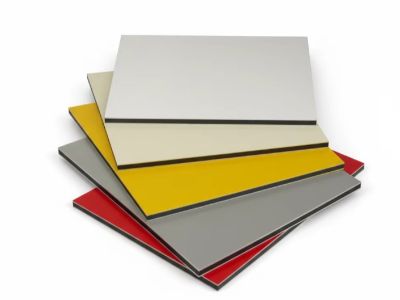
Understanding how ACP sheet core materials affect panel fabrication is essential for buyers looking to enhance the quality and efficiency of their projects. ACP (Aluminum Composite Panel) sheets are widely used in construction and architectural applications due to their durability, aesthetic appeal, and versatility. As a purchasing manager or product manager, your main concerns will likely include material selection, fabrication compatibility, and overall performance. This article will guide you through the nuances of 2mm acp sheet core materials, helping you make informed decisions that align with your project needs.
How ACP Sheet Core Materials Enhance Panel Fabrication Quality
The core material of ACP sheets plays a pivotal role in determining the overall quality and performance of the panels. Typically, acp sheet panel feature a core made from materials like polyethylene or mineral-filled materials. The choice of core directly influences the panel’s weight, thermal insulation properties, and structural integrity.
For instance, polyethylene cores provide lightweight solutions ideal for non-load-bearing applications, while mineral-filled cores offer improved fire resistance and durability, making them suitable for high-risk environments. Understanding these distinctions will aid in selecting the appropriate core material that meets your project specifications, ensuring the final product can withstand environmental stresses while maintaining aesthetic appeal.
Furthermore, the manufacturing process of ACP sheets, which involves advanced techniques like continuous lamination and precision cutting, ensures high-quality finishes and precise dimensions. Buyers should always check the manufacturer's capabilities to ensure they can meet specific fabrication requirements, such as custom sizes or surface finishes.
Evaluating ACP Sheet Core Materials for Bulk Order Purchases
When considering bulk purchases of ACP sheets, evaluating core materials is critical. Start by assessing the intended application of the panels. Different applications may require specific core properties, such as enhanced fire resistance or improved thermal insulation. Confirm that the core material meets relevant building codes and regulations, especially in commercial or industrial applications.
Additionally, consider the manufacturer’s production capacity and MOQ (Minimum Order Quantity). It's advisable to request samples to evaluate the quality and performance of the core materials under actual operating conditions. This step is crucial as it allows you to assess factors like weight, flexibility, and surface finish, which can significantly impact installation and long-term performance.
Pricing is another factor to consider. Core material choice can affect the overall cost of the ACP sheets. While mineral-filled cores may come with a higher upfront cost, their benefits in terms of fire resistance and durability may lead to lower maintenance costs and enhanced safety in the long run.
Installation Guidance for ACP Panels Using Core Materials
Proper installation of ACP panels is essential to ensure their longevity and performance, particularly when considering the properties of different core materials. Each core type may have specific installation requirements that should be adhered to for optimal results.
For example, panels with polyethylene cores are generally easier to cut and install, making them suitable for applications that require quick installation. However, when working with mineral-filled cores, special tools may be needed due to their increased density and strength. Always consult the manufacturer's installation guidelines to avoid common pitfalls, such as improper sealing or inadequate support structures.
Additionally, ensure that the installation environment is suitable for the specific core material used. Factors like temperature, humidity, and exposure to chemicals can impact the adhesive properties and overall performance of the panels. Proper site preparation, including verifying compatibility with existing structures and ensuring adequate support, is crucial for a successful installation.
Common Problems with ACP Sheet Core Materials and Solutions
Despite their many advantages, ACP sheets can encounter issues related to their core materials. One common problem is delamination, which occurs when the adhesive bond between the core and the outer aluminum layers fails. This can be exacerbated by exposure to moisture or extreme temperatures. Buyers should look for manufacturers that utilize high-quality adhesives and adhere to strict quality control processes to mitigate this risk.
Another issue is bowing or warping, which can happen if panels are not stored or installed correctly. To prevent this, ensure that panels are stored flat and away from direct sunlight and that they are installed according to the manufacturer's recommendations.
If any quality issues arise after installation, quick remediation is essential. Work closely with the manufacturer for solutions whether it’s replacing damaged panels or adjusting installation techniques to prevent further problems. Understanding these common issues can help you select a reliable supplier and prepare for potential challenges.
Applications of ACP Sheet Core Materials in Various Industries
ACP sheets and their core materials find applications across multiple industries, including architecture, transportation, and signage. In the architectural sector, their lightweight nature and aesthetic versatility make them ideal for facades, interior walls, and decorative features. Mineral-filled core panels, with their fire resistance, are particularly favored in commercial buildings where safety regulations are stringent.
In the transportation industry, ACP sheets are used for vehicle cladding and interiors, providing a robust yet lightweight solution that can withstand the rigors of travel. The ability to customize colors and finishes enhances branding opportunities for transportation companies.
Signage is another area where ACP panels excel. Their smooth surface allows for high-resolution printing, while the durability of the core materials ensures that signs remain intact under various environmental conditions. Understanding these interior wall acp sheet applications will help you appreciate the value of selecting the right core material for your project, tailoring your choices to meet specific industry requirements.
By gaining insights into how ACP sheet core materials affect panel fabrication, you can better navigate your purchasing decisions, ensuring you select the right products for your needs.
Table of Contents
- How ACP Sheet Core Materials Enhance Panel Fabrication Quality
- Evaluating ACP Sheet Core Materials for Bulk Order Purchases
- Installation Guidance for ACP Panels Using Core Materials
- Common Problems with ACP Sheet Core Materials and Solutions
- Applications of ACP Sheet Core Materials in Various Industries

