 EN
EN

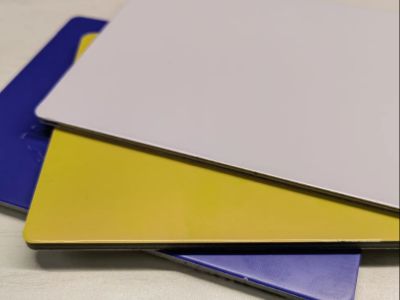
ACP sheets, or Aluminum Composite Panels, are increasingly popular in commercial facade applications due to their versatility and aesthetic appeal. These lightweight, durable materials are composed of two thin layers of aluminum enclosing a non-aluminum core, making them suitable for various architectural designs. For purchasing managers and project managers in the construction and design sectors, understanding how acp sheet panel are used in commercial facade applications is crucial. This article will explore sourcing, cost factors, installation tips, essential buyer information, and common issues with ACP sheets, providing practical insights to facilitate informed decisions.
Where to Source High-Quality ACP Sheets for Your Projects?
When sourcing ACP sheets, it is vital to identify suppliers with a robust reputation and solid manufacturing capabilities. Look for manufacturers like Shanghai Jixiang Building Materials Group, known for their advanced production techniques and stringent quality control processes. A reputable supplier should provide detailed specifications about the materials used, production methods, and certifications ensuring compliance with industry standards.
Consider factors such as production capacity, minimum order quantity (MOQ), and lead times when evaluating potential suppliers. It is also beneficial to request samples to inspect the quality and finish before placing a larger order. Engaging with suppliers who have an established export market can provide additional assurance regarding their reliability and experience in fulfilling international orders.
Cost Factors to Consider When Ordering ACP Sheets in Bulk
Pricing for ACP sheets can vary significantly based on several factors. The primary determinants include the type of aluminum used, the thickness of the panels, and any additional features such as fire resistance or custom finishes. Bulk orders may offer cost savings, but buyers should consider the total cost, including shipping, handling, and potential tariffs for international orders.
Customization options can also influence pricing. If your project requires specific colors or finishes, ensure that these are factored into the overall budget. Understanding your project's requirements upfront will help in obtaining accurate quotations from suppliers. Additionally, keep in mind that the lowest price is not always the best value; consider the quality of materials and the manufacturer's reputation.
Installation Tips for ACP Sheets in Commercial Facade Applications
Proper installation of ACP sheets is critical to achieving the desired aesthetic and functional outcomes. Before installation, ensure that the substrate is clean, dry, and structurally sound. ACP sheets are typically mounted using a concealed fastening system, which requires precise alignment to ensure a clean finish. It is advisable to consult with experienced installers who understand the specific requirements of ACP sheet installation.
During installation, consider the thermal expansion and contraction of the panels. 2mm acp sheet can expand or contract based on temperature changes, so leaving adequate space for movement is essential. Regular inspections after installation can help identify any issues early, such as warping or detachment, which may arise due to improper installation techniques.
What Buyers Need to Know?
For buyers looking to procure ACP sheets, several key considerations should be kept in mind. First, confirm the specifications required for your application, including panel thickness, dimensions, and fire ratings. It is crucial to communicate these specifications clearly to your supplier to avoid any mismatches.
Additionally, verifying the manufacturer's quality control processes can help ensure that the products meet your standards. Ask about testing procedures, certifications, and compliance with relevant building codes. Understanding the supplier's production capabilities and customization options can also enhance the alignment between your project needs and the products supplied.
Furthermore, inquire about after-sales support and warranty options. A trustworthy supplier should provide assistance with installation queries and address any issues that arise post-purchase.
Common Problems with ACP Sheets and Effective Solutions
While ACP sheets are generally reliable, buyers should be aware of common problems that can occur. One issue is the potential for delamination, where the layers of the panel separate. This can happen due to poor manufacturing quality or improper installation. To mitigate this risk, always choose established suppliers with proven quality assurance processes.
Another problem is surface damage, which can occur during transportation or installation. Ensure that panels are adequately packaged and handled with care. It is wise to inspect all panels upon delivery and document any damage immediately to address potential claims with the supplier.
Finally, fading of colors over time can be a concern, particularly in regions with intense sunlight. Selecting high-quality finishes and coatings designed for UV resistance can help maintain the aesthetic appeal of acp sheet black for longer periods.
In summary, understanding how ACP sheets are used in commercial facade applications involves careful consideration of sourcing, costs, installation practices, and potential challenges. By partnering with a reputable manufacturer and being informed about product specifications and quality control, buyers can confidently navigate the procurement process and enhance the success of their projects.

