 EN

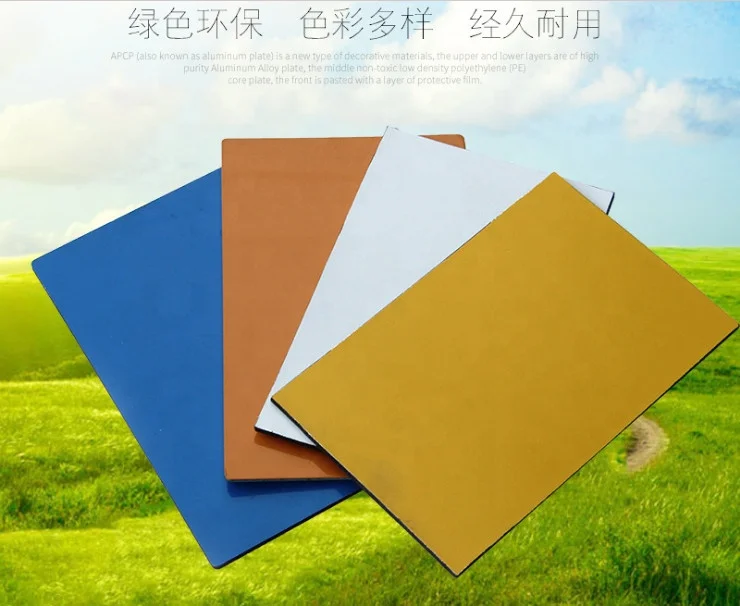
Cutting and routing aluminum composite panels (ACP sheets) for facade fabrication is a vital process in the construction and architectural industries. Understanding how ACP sheets are cut and routed can greatly influence the quality, aesthetics, and functionality of your facade project. This article addresses key concerns for B2B buyers, including selecting the right materials, understanding the cutting and routing process, and quality control measures. By the end, you will gain insights into how to effectively navigate the complexities of ACP sheet fabrication for your projects.
How ACP Sheets Are Cut and Routed for Optimal Facade Fabrication
The cutting and routing of ACP sheets are crucial steps in facade fabrication that significantly affect the final appearance and functionality of the installation. These sheets are typically made of a non-aluminum core sandwiched between two aluminum sheets, providing durability and lightweight characteristics.
Cutting is often performed using CNC (Computer Numerical Control) machines, which allow for precision and repeatability. These machines enable complex shapes and designs to be achieved without compromising the integrity of the material. Routing, on the other hand, involves creating grooves or patterns in the ACP sheets, which may be necessary for aesthetic purposes or to facilitate installation.
It is essential to consider the thickness and type of ACP sheet wooden when determining cutting and routing methods, as these factors can influence the choice of equipment and techniques used. For instance, thicker panels may require more robust machinery and specific cutting tools to ensure clean edges and minimal material waste. Properly executed cutting and routing are pivotal for achieving accurate dimensions and high-quality finishes that meet architectural standards.
Choosing the Right ACP Sheets for Your Facade Projects
Selecting the right ACP sheets for your facade project involves several considerations such as material composition, thickness, surface finish, and color options. Different applications may require specific performance characteristics, such as fire resistance, UV stability, or thermal insulation.
For example, if your project demands a high level of durability and weather resistance, opting for ACP sheets with a thicker aluminum skin can provide enhanced protection against environmental factors. Additionally, consider the finish of the panels; options range from matte to high-gloss, which can impact the visual appeal and maintenance requirements of the facade.
Another critical factor is the intended application. High-traffic areas may benefit from more robust materials, while decorative elements can utilize lighter options for easier installation. Collaborating with a supplier who understands the nuances of ACP specifications can help ensure that your selections align with the project requirements.
Reliable Suppliers for ACP Sheets and Services
When sourcing aluminum ACP sheet, it's vital to partner with reliable suppliers who have a proven track record in the industry. Look for manufacturers who not only produce high-quality products but also offer comprehensive services such as custom cutting, routing, and finishing.
Shanghai Jixiang Building Materials Group, for instance, specializes in high-tech decorative materials and can provide tailored solutions for various facade projects. Ensure that the supplier you choose has experience in your specific application area and can provide references or case studies showcasing their past work.
It's also advisable to confirm the supplier's quality assurance processes. This includes checking for certifications and compliance with industry standards, which can significantly impact product reliability and performance. Building a relationship with a trusted supplier can lead to smoother project execution and better support throughout the fabrication process.
ACP Sheets vs. Other Facade Materials
When comparing ACP sheets to other facade materials, several factors come into play, including cost, weight, durability, and aesthetic flexibility. Traditional materials like brick or stone offer durability but can be heavy and more challenging to install. In contrast, ACP sheets are lightweight, making them easier to handle and install, which can reduce labor costs and installation time.
Furthermore, ACP sheets provide a wide variety of design options, allowing for greater creativity in facade design. They can be painted, printed, or coated with different finishes, enabling architects and builders to achieve specific looks that align with the overall design vision. However, it's important to evaluate the long-term performance of these materials, especially in terms of maintenance and weather resistance.
Overall, ACP sheets can be a cost-effective and versatile solution compared to traditional facade materials, provided that the specific project requirements are met. Consider conducting a thorough comparison, including total lifecycle costs, to make an informed decision.
Quality Control Measures in ACP Sheet Cutting and Routing
Quality control is paramount in the cutting and routing process of ACP sheet panel to ensure that the final product meets specifications and performs well in application. Implementing stringent quality checks at each stage of production is essential to avoid costly reworks and ensure customer satisfaction.
During cutting, it's crucial to verify that the dimensions match the required specifications. Regular calibration of CNC machines can help maintain accuracy and consistency. After routing, visual inspections should be conducted to check for any defects or imperfections in the edges and surfaces.
Additionally, conducting tests on sample panels before mass production can help identify potential issues early on. These tests might include checking for adhesion strength, weather resistance, and overall material integrity. By prioritizing quality control measures, manufacturers can reduce waste and enhance the reliability of their ACP products.
Understanding how ACP sheets are cut and routed for facade fabrication is essential for making informed purchasing decisions. By considering the right materials, collaborating with reliable suppliers, and implementing effective quality control measures, buyers can ensure successful outcomes for their facade projects.

