 EN

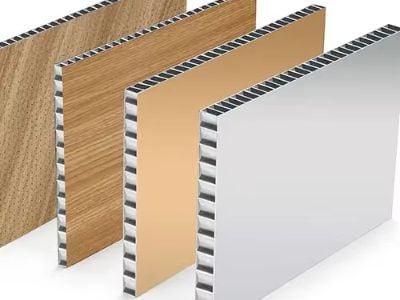
Aluminum cladding panels are essential for large facade projects due to their lightweight, durability, and aesthetic appeal. However, purchasing these materials in bulk can raise various concerns for B2B buyers, including quality assurance, cost-effectiveness, and installation procedures. This article will delve into aluminum cladding panel fabrication for large facade projects, providing insights on comparison, cost factors, installation guidance, common issues, and the material advantages that make aluminum an ideal choice for facades.
How to Compare Aluminum Cladding Panels for Wholesale Purchasing?
When evaluating aluminum cladding panels for wholesale purchasing, buyers should consider several key specifications. First, assess the panel thickness, which typically ranges from 2mm to 6mm. Thicker panels generally provide better structural integrity and resistance to impacts, but they may also increase costs. Additionally, inspect the surface treatment options available, such as powder coating or anodizing, which enhance weather resistance and aesthetic appeal. Another crucial aspect is the panel size and configuration.
Standard dimensions may simplify installation and reduce waste, while custom sizes can better accommodate specific architectural designs. Buyers should also evaluate the insulation properties of the aluminium cladding panels options with integrated insulation can improve energy efficiency and reduce heating and cooling costs. Finally, ensure that the manufacturer provides comprehensive specifications, including load-bearing capabilities and fire resistance ratings. This information is vital for compliance with local building codes and standards.
Cost Factors to Consider in Bulk Orders of Aluminum Cladding
Several factors influence the cost of aluminum cladding panels when ordered in bulk. Firstly, the choice of materials significantly impacts pricing. High-grade aluminum alloys, such as 5052 and 6061, offer superior durability and corrosion resistance but come at a higher price point. Additionally, the type of surface finish can affect costs; for instance, a standard mill finish may be less expensive than a custom color or texture. Volume discounts are another important consideration. Many manufacturers offer pricing tiers based on order quantities, so it's beneficial to calculate the total project needs to maximize savings. Furthermore, shipping and logistics costs should be factored into the overall budget, especially for large orders that may require special handling or transportation arrangements. Lastly, be aware of potential additional costs related to installation. This includes the need for specialized labor or tools, which can significantly affect the total expenditure of the project.
Installation Guidance for Aluminum Cladding Panels on Large Facades
Proper installation of aluminum cladding panels is critical to ensure long-term performance and aesthetics. Begin by carefully reviewing the manufacturer's installation guidelines, as these will provide essential information on panel orientation, fastening methods, and required support structures. Before installation, confirm that the substrate is level and free of debris, as any irregularities can lead to misalignment and water infiltration issues.
It’s also advisable to conduct a pre-installation meeting with the installation team to discuss the layout, panel handling, and safety protocols. When installing the panels, ensure that appropriate seals and flashing are used to prevent water ingress and moisture buildup. The use of thermal breaks can also enhance energy efficiency by reducing heat transfer through the composite panels cladding. Regular inspections during installation can help identify any potential issues early, preventing costly rework later.
Common Problems with Aluminum Cladding and Their Effective Solutions
While aluminum cladding panels are generally reliable, several common issues may arise during their lifecycle. One frequent problem is panel expansion and contraction due to temperature fluctuations, which can result in warping or loosening of fasteners. To mitigate this, ensure that panels are installed with adequate spacing and that fasteners allow for thermal movement. Another issue is corrosion, particularly in coastal environments. Selecting the right alloy and ensuring proper surface treatment can significantly reduce this risk. Regular maintenance checks should include visual inspections for signs of corrosion or damage, allowing for timely repairs before larger issues develop. Finally, improper installation techniques can lead to water infiltration, which may compromise the building's integrity. To address this, ensure that installers are well-trained and follow best practices for sealing and flashing. Regular training sessions can help maintain high installation standards.
Material Advantages of Aluminum Cladding for Durable Facade Solutions
Aluminum cladding panels offer numerous advantages that make them a preferred choice for durable facade solutions. One of the primary benefits is their lightweight nature, which reduces the load on structural elements and simplifies transportation and installation processes. This characteristic also translates into lower shipping costs and easier handling on-site. Additionally, aluminum is highly resistant to corrosion and weathering, making it suitable for a variety of climates. The longevity of aluminum aluminium cladding sheet significantly reduces maintenance costs and prolongs the lifespan of the facade, providing excellent value over time. Another advantage is design flexibility; aluminum can be easily fabricated into various profiles and finishes, allowing for unique architectural expressions. Coupled with its ability to be recycled, aluminum supports sustainable building practices, appealing to environmentally-conscious projects. Overall, the combination of durability, aesthetic versatility, and low maintenance requirements makes aluminum cladding panels an ideal choice for large facade projects.
Table of Contents
- How to Compare Aluminum Cladding Panels for Wholesale Purchasing?
- Cost Factors to Consider in Bulk Orders of Aluminum Cladding
- Installation Guidance for Aluminum Cladding Panels on Large Facades
- Common Problems with Aluminum Cladding and Their Effective Solutions
- Material Advantages of Aluminum Cladding for Durable Facade Solutions

