 EN

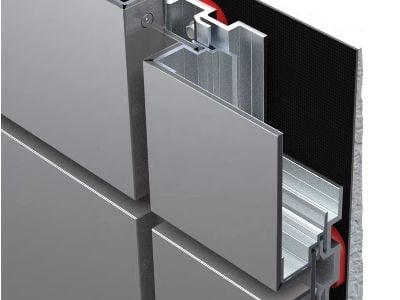
Custom aluminum cladding panels are an essential component in architectural facade projects, offering both aesthetic appeal and functional benefits. These panels are designed to enhance the exterior of buildings while providing a protective layer against environmental elements. B2B buyers, such as purchasing managers and architects, often seek information on specifications, supplier reliability and best practices to ensure they make informed decisions. This article will explore key specifications for buyers, reliable suppliers of aluminium cladding sheet, best practices for selection and installation, applications in architectural design, and what buyers need to know before making a purchase.
Key Specifications for Buyers
When considering custom aluminum cladding panels, several specifications are crucial for ensuring the product meets project requirements. Key specifications include:
Material Composition: Aluminum panels are typically made from high-grade aluminum alloys, often treated to enhance durability and corrosion resistance. Buyers should confirm the alloy grade, which impacts strength, weight, and corrosion resistance.
Thickness: The thickness of aluminum panels can vary significantly, typically ranging from 1.5mm to 6mm. Thicker panels provide enhanced durability and better thermal insulation, making them suitable for high-performance applications. Buyers should evaluate the expected environmental conditions and load requirements to determine the appropriate thickness.
Dimensions: Custom sizes may be required depending on the architectural design. Buyers should define their needs, including length, width, and any special shapes.
Finish and Coating: The surface finish, such as anodizing or powder coating, affects both aesthetics and performance. Anodizing increases corrosion resistance, while powder coating offers a wider range of colors and finishes. Buyers should select finishes that complement the architectural style and ensure long-term durability.
Fire Rating: Depending on local building codes, fire ratings may be a critical factor. Buyers should verify that the panels meet relevant fire safety standards.
Weight: The weight of the panels impacts installation methods and structural requirements. Lighter panels may reduce the load on the building’s framework, while heavier options may provide additional durability.
Understanding these specifications helps buyers choose the right aluminium cladding panels for their projects, ensuring compatibility with their architectural vision and structural requirements.
Reliable Suppliers of Aluminum Cladding Panels
Finding a trustworthy supplier is a critical step in sourcing aluminum cladding panels. A reliable supplier should demonstrate:
Manufacturing Capabilities: Suppliers with advanced manufacturing technologies can offer custom solutions tailored to specific project needs. Ensure they have the capacity to produce panels that meet your required specifications.
Quality Control Processes: Look for suppliers who implement stringent quality control measures throughout the production process. This includes material testing, dimensional checks, and surface quality inspections.
Certifications: While specific certifications were not mentioned in the company background, it's advisable to seek suppliers that comply with relevant industry standards, such as ISO certifications. This indicates a commitment to quality and consistency.
Experience and Reputation: Suppliers with a proven track record in the industry can provide insights into product performance and reliability. Seek out references and case studies to understand their capability.
Customer Support: A supplier should provide comprehensive customer support, including technical assistance and responsiveness to inquiries. This can significantly enhance the purchasing experience and help resolve any issues that arise during the project.
By selecting a supplier that meets these criteria, buyers can ensure a smoother procurement process and higher quality outcomes for their architectural projects.
Best Practices
When sourcing and using custom aluminum cladding panels, adhering to best practices ensures optimal performance and satisfaction:
Sample Approval: Before placing a large order, request samples to evaluate the material quality, finish, and dimensions. This step is crucial to confirm that the product meets your expectations in real-world conditions.
Detailed Specifications: Provide as much detail as possible when requesting quotes. Clearly outline specifications, including dimensions, finishes, and any customization needs. This helps suppliers provide accurate pricing and lead times.
Installation Guidelines: Ensure that installation guidelines are followed meticulously. This includes proper handling, storage, and installation techniques to avoid damage and ensure longevity.
Regular Quality Inspections: During production and upon delivery, conduct quality inspections to verify that the panels conform to the agreed specifications. This helps catch any discrepancies early, reducing the risk of project delays.
Post-Installation Maintenance: Provide guidance on maintenance best practices to ensure the longevity of the panels. This may include cleaning recommendations and inspection schedules to check for wear or damage.
By following these best practices, buyers can enhance the performance and aesthetics of their cladding projects while minimizing potential pitfalls.
Applications of Aluminum Cladding Panels in Architectural Design
Custom aluminum cladding panels are versatile and widely used in various architectural applications. Key applications include:
Commercial Buildings: Aluminum panels enhance the visual appeal of shopping centers, office buildings, and hotels. Their lightweight nature allows for innovative designs while providing thermal insulation and weather resistance.
Residential Projects: Homeowners increasingly opt for aluminum cladding to achieve modern aesthetics while ensuring durability. Custom panels can be tailored to fit unique architectural styles, enhancing curb appeal.
Industrial Facilities: In industrial settings, aluminum cladding serves as protective barriers against environmental elements and enhances energy efficiency. The panels can also be treated for additional resistance to chemicals and abrasion.
Renovations and Facade Improvements: Aluminum cladding is ideal for facade upgrades, providing a fresh look without the need for extensive structural changes. Its adaptability allows for quick and effective renovations.
Sustainable Architecture: Many architects are incorporating exterior aluminium cladding panels into green building designs due to its recycle ability and energy efficiency. Panels can be designed to reflect solar radiation, contributing to overall energy savings.
Understanding these applications helps buyers recognize the versatility of aluminum cladding panels, enabling them to align their projects with current architectural trends and sustainability goals.
What Buyers Need to Know?
Before purchasing custom aluminum cladding panels, buyers should keep several key considerations in mind:
Lead Time: Confirm the production and delivery lead times, as these can vary significantly based on customization and order volume. Planning ahead can prevent project delays.
Minimum Order Quantity (MOQ): Be aware of the supplier's MOQ, as this may impact project costs. If your project is small, inquire about the possibility of smaller production runs or stock options.
Shipping and Packaging: Understand the shipping methods and packaging used by the supplier. Proper packaging is essential to prevent damage during transit, and buyers should ensure that their logistics plans can accommodate the delivery.
Cost Factors: Be prepared for various cost factors, including material, customizations, and shipping. Request detailed quotations that break down these costs to identify the best value.
Final Specifications Confirmation: Before mass production, confirm all specifications, including any changes made during the design process. This is critical to ensure the final product aligns with project requirements.
By considering these factors, buyers can navigate the purchasing process more effectively, leading to successful project outcomes with aluminum cladding panels.

