 EN
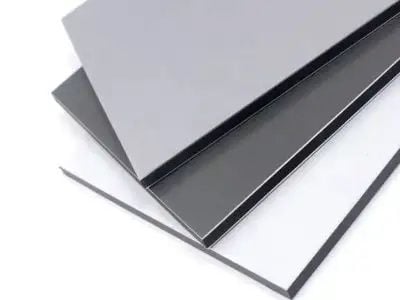
Aluminum cladding panels play a crucial role in commercial facade applications, offering aesthetic appeal, durability, and insulation. Understanding the optimal aluminum cladding panel thickness for your specific project is essential for purchasing managers and architects alike, as it directly impacts the performance, cost-efficiency, and longevity of the installation. This article aims to address key concerns for B2B buyers regarding specifications, cost considerations, common challenges, applications, and optimal thickness comparisons, enabling informed decision-making
Understanding Aluminum Cladding Panel Specifications for Bulk Orders
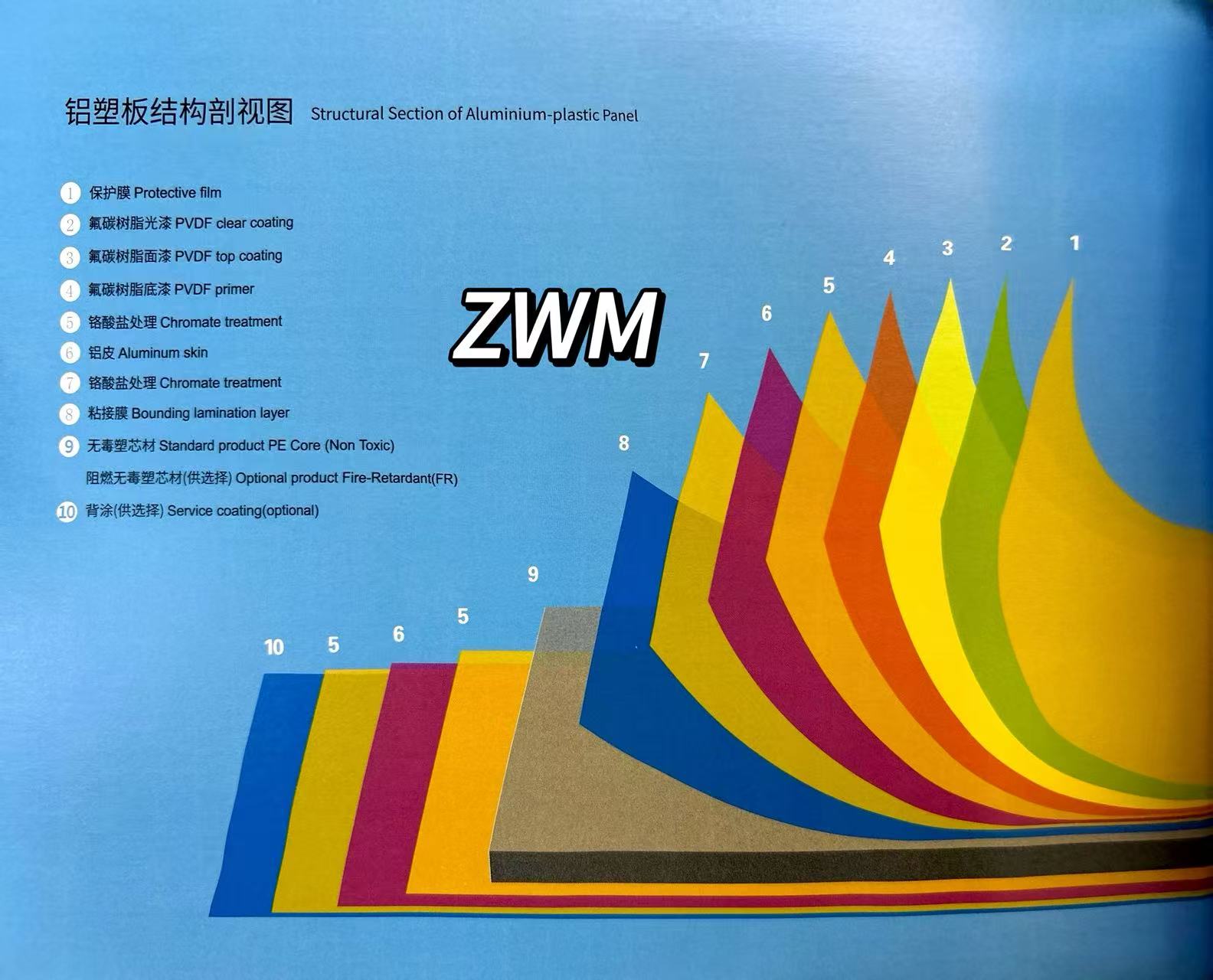
When evaluating honeycomb aluminum panel cladding panels for bulk orders, several specifications must be taken into account, including thickness, material type, finish, and dimensions. The thickness of the panel is particularly important, as it influences structural integrity, insulation properties, and resistance to external factors such as wind and moisture. For commercial facade applications, common thicknesses range from 2mm to 6mm, with thicker panels offering enhanced durability and insulation
The material itself should also be assessed. High-quality aluminum alloys are typically preferred for their strength-to-weight ratio and resistance to corrosion. Additionally, surface finishes such as anodizing or powder coating can enhance aesthetic appeal while providing additional protection against environmental wear
Understanding these specifications can help buyers request accurate quotations and ensure that their selections meet both design and performance standards. Providing detailed information about the intended application and environmental conditions will further assist manufacturers in recommending suitable products
Cost Factors to Consider When Purchasing Aluminum Cladding Panels
The cost of aluminum cladding panels can vary significantly based on several factors, including material quality, thickness, surface treatment, and order quantity. Thicker panels, while more expensive up front, may offer long-term savings through reduced maintenance and replacement costs due to their enhanced durability
Additionally, customization options can impact pricing. Custom colors, finishes, and dimensions might incur additional charges but could be essential for achieving the desired architectural design. Buyers should also account for shipping and handling fees, especially if purchasing from overseas suppliers
It's advisable for purchasing managers to request detailed quotations that outline all cost elements, allowing for a comprehensive comparison of suppliers. Understanding the total cost of ownership—including initial purchase price, installation costs, and expected lifespan—will support better financial planning for projects
Common Problems with Aluminum Cladding Panels and Their Solutions
Buyers should be aware of common issues that can arise with aluminum cladding panels, including installation challenges, fading of colors, and potential corrosion. One frequent installation problem is misalignment, which can lead to aesthetic and functional issues. To mitigate this, it’s vital to ensure that substructures are level and that installation teams are well-trained in handling the specific types of panels being used
Fading can occur over time, particularly with lower-quality finishes. To avoid this, selecting panels with high-quality, UV-resistant coatings is recommended. Furthermore, regular maintenance checks can help identify early signs of corrosion or damage, allowing for prompt repairs and extending the life of the cladding
Working closely with experienced suppliers, like Shanghai Jixiang Building Materials Group, can provide additional support. They can offer insights into best practices for installation and maintenance, ensuring that buyers are equipped to address these common challenges effectively
Applications of Aluminum Cladding Panels in Commercial Construction
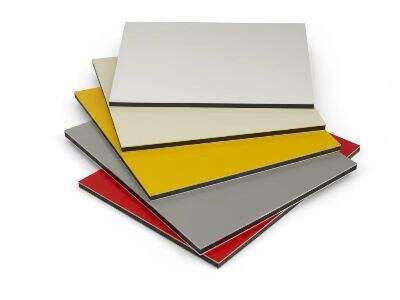
Aluminum cladding panels are widely used in various commercial construction applications, including office buildings, shopping centers, and educational institutions. Their lightweight nature and versatility make them an ideal choice for modern architectural designs, allowing for creative shapes and finishes
These panels contribute to energy efficiency as well, offering thermal insulation that can reduce heating and cooling costs. Moreover, they can enhance the aesthetic appeal of a building, providing a sleek, contemporary look that attracts tenants and customers alike
In addition to aesthetics and energy efficiency, aluminum cladding panels can also improve safety by offering fire-resistant properties when manufactured to specific standards. It is crucial for buyers to confirm that the selected panels meet relevant fire safety regulations based on local building codes
Comparing Aluminum Cladding Panel Thickness for Optimal Performance
Choosing the right thickness for aluminum panel sheet cladding panels is essential for achieving optimal performance in commercial applications. Thicker panels generally provide better resistance to impacts, wind loads, and thermal expansion. For instance, while a 2mm panel may be sufficient for low-rise buildings in moderate climates, a thickness of 4mm or more might be necessary for high-rise structures or regions prone to extreme weather conditions
When assessing thickness, buyers should also consider the specific building design and facade orientation. Panels facing harsher environmental conditions may require greater thickness to maintain performance and aesthetics over time. Additionally, the overall design and intended use of the building can dictate the appropriate thickness to ensure that it meets both functional and visual requirements
Ultimately, consulting with manufacturers who understand the nuances of material performance in various applications can lead to more informed decisions. They can provide tailored recommendations based on individual project requirements, further ensuring that the chosen specifications align with both budget and performance expectations
By addressing these critical aspects of aluminum cladding panel selection, purchasing managers and project stakeholders can ensure that their choices lead to successful, durable, and aesthetically pleasing commercial facade applications.
Table of Contents
- Understanding Aluminum Cladding Panel Specifications for Bulk Orders
- Cost Factors to Consider When Purchasing Aluminum Cladding Panels
- Common Problems with Aluminum Cladding Panels and Their Solutions
- Applications of Aluminum Cladding Panels in Commercial Construction
- Comparing Aluminum Cladding Panel Thickness for Optimal Performance

