 EN

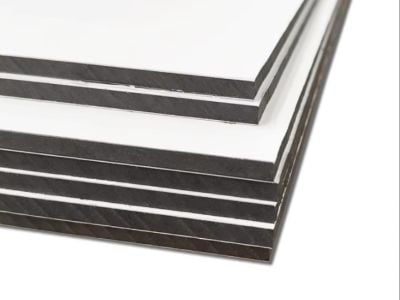
In commercial building projects, the choice of Aluminum Composite Panels ( s) is pivotal due to their versatility, durability, and aesthetic appeal. Understanding the key ACP sheet parameters is essential for architects, builders, and purchasing managers who want to ensure that their selections meet both functional and regulatory requirements. This article will guide you through the critical considerations when selecting acp sheet panel, including sourcing, budgeting, best practices for contractors, and how to determine which panels best fit your project needs.
How to Choose the Right ACP Sheets for Your Building Project?
Selecting the right ACP sheets involves evaluating several critical parameters. First, consider the material composition of the ACP sheets. Typically, these panels consist of two thin layers of aluminum enclosing a non-aluminum core, which can vary in material (such as polyethylene or mineral core). The choice of core material significantly impacts properties like fire resistance, thermal insulation, and weight, all of which should align with your project specifications.
Next, assess the thickness of the panels. Standard thicknesses range from 3mm to 6mm, but thicker panels may provide enhanced durability and better insulation properties. The thickness affects not only the interior wall acp sheet panel's performance but also its weight, which is crucial for structural considerations.
Surface treatment is another factor that can influence performance and aesthetic appeal. ACP sheets can come with a variety of finishes, including PVDF (polyvinylidene fluoride) coatings that offer superior longevity and resistance to fading and weathering. Such treatments are essential for maintaining the visual integrity of the panels over time, particularly in outdoor applications.
Finally, check the fire ratings of the ACP sheets. Depending on your project’s location and intended use, local building codes may require specific fire-resistant materials. Confirming the fire rating ensures compliance and safety.
Where to Source Reliable ACP Sheets for Commercial Applications?
When sourcing ACP sheets for commercial applications, reliability is paramount. Start by identifying manufacturers with a proven track record in the industry. Look for companies, like Shanghai Jixiang Building Materials Group, that specialize in the R&D and production of high-tech decorative materials, as they are more likely to offer quality products backed by rigorous testing and quality control processes.
Engaging with suppliers who provide samples is beneficial. By inspecting samples, you can evaluate the finish, color fidelity, and overall construction quality before making a bulk order. Additionally, inquire about the supplier’s certifications. Reliable suppliers should have certifications that demonstrate adherence to international quality standards, providing added assurance of product reliability.
Consider the supplier's logistics capabilities as well. Timely delivery can significantly affect project schedules, so partnering with a supplier that efficiently manages inventory and shipping can mitigate delays. Lastly, engage in discussions about minimum order quantities (MOQ) and lead times, as these factors can influence your overall project budget and timeline.
Budgeting for Your Project
Budgeting for ACP sheets requires a comprehensive understanding of the various cost factors involved. While the initial purchase price is a significant consideration, it is essential to account for the total cost of ownership, which includes installation, maintenance, and potential replacement costs.
Begin by obtaining quotes from multiple suppliers. When requesting a quotation, provide detailed information about the desired panel specifications, including type, thickness, dimensions, and finish. This will yield more accurate pricing information.
Additionally, consider the costs associated with installation. The complexity of your project may necessitate specialized labor or equipment, which can add to the overall expenditure. It's advisable to include a buffer in your budget for unforeseen expenses that may arise during installation or material delivery delays.
Lastly, don't overlook the maintenance costs. Some finishes may require periodic upkeep to maintain their appearance and functionality, which should be factored into your long-term budget.
Best Practices for Contractors
For contractors, adhering to best practices when working with ACP sheets can ensure a smooth installation process and long-term performance. First, always review the manufacturer's installation guidelines thoroughly. Each product may have specific requirements regarding substrate preparation, sealing, and fastener types.
Ensure that the panels are stored correctly before installation. They should be kept flat and protected from moisture and direct sunlight to prevent warping or damage. When installing, avoid over-tightening fasteners, as this can lead to panel distortion or damage.
Conduct a quality inspection of the panels upon delivery. Check for defects such as scratches, dents, or color inconsistencies that may affect the aesthetic outcome of your project. Early detection of issues allows for timely replacement or resolution with the supplier.
Finally, keep communication open with all stakeholders, including architects, suppliers, and clients. Regular updates can help manage expectations and address any concerns that may arise during the project timeline.
Which One Fits Your Needs?
Choosing the right ACP sheet for your specific needs requires a thorough evaluation of your project requirements and constraints. Consider the intended application of the panels whether for exterior cladding, interior partitions, or signage as different applications may necessitate different specifications.
For exterior applications, prioritize durability and weather resistance. Look for panels that offer high UV resistance and are treated for anti-corrosive properties, particularly if the building is in a coastal area. For interior applications, aesthetics may take precedence, so opt for a finish that complements the design theme while ensuring ease of maintenance.
Customization capabilities can also play a significant role in your decision. Some manufacturers offer options for custom colors, sizes, and finishes, allowing you to tailor the acp sheet facade panels to your design vision. Discuss these possibilities with your supplier to find solutions that align with your project’s goals.
In summary, understanding the key ACP sheet parameters is essential for making informed decisions in commercial building projects. By focusing on the right materials, reliable sourcing, thorough budgeting, best practices for installation, and fitting choices, you can ensure a successful outcome that meets your building's aesthetic and functional needs.

