 EN

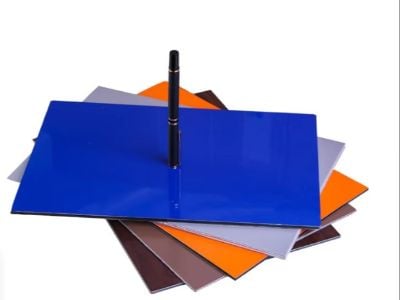
Understanding the specifications that matter for ACP sheets in B2B procurement is crucial for purchasing managers and engineers alike. ACP, or Aluminum Composite Panels, are widely used for their durability, aesthetic appeal, and versatility in various applications. Buyers often face concerns regarding quality, sourcing reliable suppliers, and ensuring that products meet specific project requirements. This article aims to provide insights into key specifications, best practices for procurement, and how to choose the right acp sheet panel to meet your project needs.
How to Compare ACP Sheet Quality for Your Bulk Order Needs?
When purchasing ACP sheets, several quality specifications are critical to consider. First, assess the core material used in the interior wall acp sheet. Common materials include polyethylene and fire-retardant core options, each affecting the panel's performance in terms of fire safety, insulation, and durability. Fire-retardant cores are essential in applications where safety is a priority.
Next, evaluate the surface finish. ACP sheets come with various coating options, such as PVDF (polyvinylidene fluoride) and polyester. PVDF coatings offer superior weather resistance and longevity, making them ideal for outdoor applications, while polyester coatings may suffice for interior uses.
Thickness is another vital specification. ACP sheets typically range from 3mm to 6mm, depending on the intended application and structural requirements. Thicker panels tend to provide better durability and impact resistance, which is particularly important in high-traffic areas.
Finally, consider manufacturing tolerances, which indicate how closely the panels meet specified dimensions. A reliable supplier will maintain tight tolerances to ensure that your installation process is smooth and efficient.
Where to Find Reliable Suppliers for ACP Sheets in Bulk?
Finding trustworthy suppliers for bulk ACP sheet orders involves thorough research and evaluation. Start by identifying manufacturers with a strong reputation in the industry, ideally those with experience in producing 2mm acp sheet. Look for companies that provide detailed information about their manufacturing processes, quality control measures, and certifications.
Trade shows and industry exhibitions are excellent venues for connecting with suppliers and assessing their products firsthand. Additionally, online platforms and industry directories can help you compile a list of potential suppliers.
Once you have a shortlist, request samples to evaluate the quality and performance of their ACP sheets. During this process, inquire about their production capacity and lead times to ensure they can meet your project timelines. Establishing open lines of communication with your supplier is crucial; this allows you to address concerns, ask questions, and negotiate terms effectively.
Best Practices for ACP Sheet Applications
When applying ACP sheets, it’s essential to follow best practices to maximize performance and longevity. Start by ensuring that the substrate is clean, dry, and free of contaminants. A proper installation surface will enhance adhesion and reduce the risk of panel failure.
For outdoor applications, consider the orientation of the panels. Installing ACP sheets with the correct slope can help manage water runoff and minimize potential moisture retention, which can lead to delamination over time. Additionally, use appropriate fasteners and sealants recommended by the manufacturer to maintain the integrity of the panels.
Regular maintenance is also key to preserving the appearance and functionality of ACP sheets. Cleaning the panels with mild soap and water can help retain their aesthetic appeal. It’s advisable to avoid harsh chemicals that can damage surface coatings.
Lastly, always refer to the manufacturer’s guidelines for specific installation and maintenance recommendations tailored to your selected ACP sheets.
How to Choose the Right ACP Sheet for Your Project Specifications?
Selecting the right ACP sheet requires a clear understanding of your project specifications. Start by defining the application environment, consider whether the sheets will be used indoors or outdoors, and assess factors like exposure to harsh weather conditions or UV light.
Next, determine the required aesthetic finish. ACP sheets are available in a variety of colors and textures, enabling you to match your design vision. Discuss your color preferences with suppliers, and request color samples to evaluate how they will look in your specific environment.
Performance characteristics are also crucial. If fire safety is a concern, prioritize ACP sheets with a fire-retardant core. For applications requiring insulation, consider sheets with enhanced thermal performance.
Consultation with your design team can also yield insights into material specifications, such as thickness and surface finish, that align with project requirements.
Understanding Cost Factors in ACP Sheet Procurement Decisions
Cost is a significant factor in ACP sheet procurement, influenced by multiple elements. Initially, the base material choice affects pricing, high-performance materials like fire-retardant cores or PVDF coatings typically command higher prices due to their enhanced properties.
Additionally, the quantity ordered can impact pricing. Many manufacturers offer tiered pricing based on order volume, so larger bulk orders may yield cost savings. Be mindful of minimum order quantities (MOQ) that suppliers may impose, as this can affect your overall project budget.
Transportation and logistics also play a role in total procurement costs. Understanding shipping options, potential tariffs, and delivery times can aid in budgeting effectively. Always clarify these details with your supplier to avoid unexpected expenses.
Lastly, consider the total cost of ownership, which includes installation, maintenance, and potential replacement costs. By evaluating these factors comprehensively, you can make more informed procurement decisions that balance quality and budget constraints.

