 EN

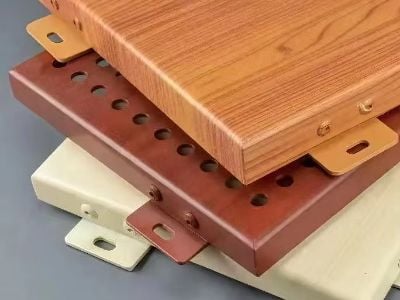
Understanding how ACP sheets are processed for custom facade panels is crucial for any B2B buyer involved in architecture, construction, or exterior design. These panels, known for their durability and aesthetic appeal, require careful selection and processing to meet specific project requirements. This article will delve into essential considerations for sourcing ACP sheet wood finish, evaluating costs, installation guidance, comparison of options and addressing common challenges during installation. Whether you’re a purchasing manager or a project engineer, this guide will equip you with the knowledge needed to make informed decisions.
Where to Source Reliable ACP Sheets for Facade Projects?
Sourcing reliable ACP sheets begins with identifying manufacturers known for their quality and consistency. Look for suppliers that not only manufacture but also conduct rigorous testing and quality control processes. Shanghai Jixiang Building Materials Group, for instance, is recognized for its advanced manufacturing capabilities and comprehensive service network. When selecting a supplier, consider their certifications, production capacity, and customization options. Ask for samples to evaluate material quality and finish before making a bulk order. Additionally, ensure that the supplier can accommodate your specific project needs, such as unique dimensions or colors, which may require custom manufacturing. A reputable supplier will also provide references from previous clients to demonstrate their reliability and service quality.
Cost Factors to Evaluate When Purchasing ACP Facade Panels
Understanding the cost structure of ACP facade panels is vital for effective budgeting. The overall cost can be influenced by several factors, including material quality, panel thickness, surface treatment, and customization requirements. Material quality plays a significant role; higher-grade aluminum may cost more but offers superior durability and aesthetics. The thickness of the panel also affects pricing; thicker panels generally provide better insulation and impact resistance but come at a higher price point. Additionally, surface treatments that enhance weather resistance or aesthetic appeal may increase costs. Buyers should also consider shipping costs, especially if sourcing from international suppliers. MOQ (Minimum Order Quantity) can also impact pricing; purchasing below the MOQ may lead to higher per-unit costs. Always request a detailed quotation that breaks down these costs for better transparency.
Installation Guidance for Custom ACP Panels in Facade Projects
Proper installation of ACP panels is crucial for achieving the desired aesthetic and functional performance. Begin by ensuring that the substrate is adequately prepared; this includes checking for structural integrity and moisture levels. It's essential to follow the manufacturer's guidelines for installation, which typically include specifications for panel spacing, fastening methods, and expansion joint considerations. When customizing ACP panels, confirm that the dimensions are accurate and align with design specifications. It’s advisable to conduct a mock installation with a few panels to identify potential challenges before proceeding with full installation. This step can help in detecting any discrepancies in alignment or fit that could affect the overall appearance and performance of the facade. For large-scale projects, consider hiring experienced installers who are familiar with ACP panel systems. Their expertise can significantly reduce installation time and minimize the risk of costly errors.
Comparing ACP Sheet Options for Your Facade Needs
When evaluating ACP sheet options, consider various specifications that can affect performance, such as core material, thickness, and surface finish. There are typically two types of core materials used in ACP sheet wooden polyethylene and mineral-filled. Polyethylene cores are lighter and cost-effective, making them suitable for non-fire-rated applications. In contrast, mineral-filled cores provide superior fire resistance, making them ideal for high-rise buildings or other applications that require compliance with stringent fire codes. Panel thickness can range from 3mm to 6mm or more, and this choice will largely depend on the application and expected impact resistance. Additionally, the surface finish whether PVDF, polyester, or anodized can affect both durability and maintenance needs. Compare different manufacturers' offerings to identify the best fit for your project's requirements. Look for product samples to assess color accuracy and surface quality, as these factors can significantly impact the final appearance of the facade.
Solutions to Common Challenges in ACP Panel Installation
ACP panel installation can present various challenges, from alignment issues to weather-related concerns. One common problem is improper panel alignment, which can lead to an unsightly appearance and performance issues. It is crucial to regularly check alignment during installation to ensure panels fit together seamlessly. Another challenge arises from temperature fluctuations, which can cause expansion and contraction of the panels. To mitigate this, installation should allow for thermal movement through proper spacing and the inclusion of expansion joints as recommended by the manufacturer.
Moisture ingress is another concern that can affect the longevity of ACP panels. Ensure that all joints are sealed correctly to prevent water penetration. Regular inspections post-installation can help identify and rectify any issues early, ensuring the facade maintains its integrity and visual appeal over time.
By addressing these common challenges proactively, you can ensure a successful installation that enhances the aesthetic and functional performance of your building’s facade. In summary, understanding how wood finish ACP sheets are processed for custom facade panels involves careful consideration of sourcing, cost evaluation, installation, product comparison, and problem-solving. By following this guide, B2B buyers can make informed decisions that lead to successful project outcomes.

