 EN

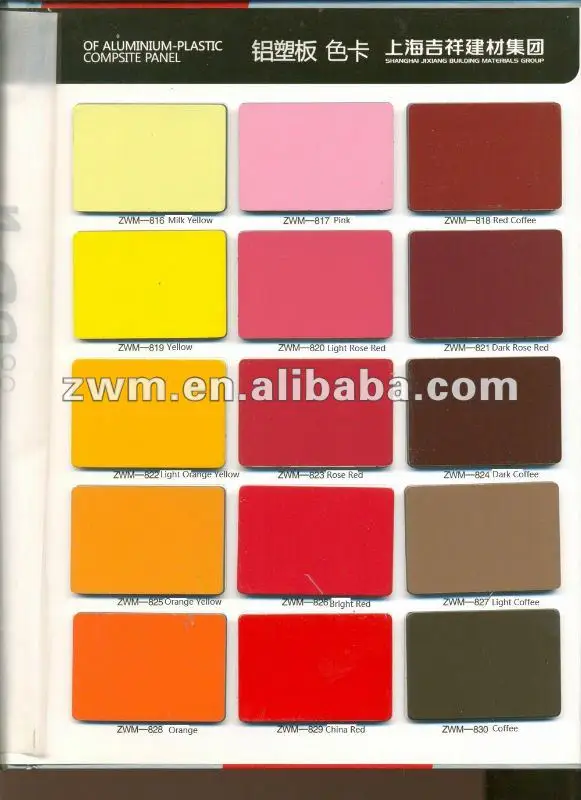
When selecting materials for commercial building facades, one crucial aspect to consider is the fire safety compliance of ACP (Aluminum Composite Panel) panels. ACP panels are widely used in the construction industry for their aesthetic appeal and functional benefits. However, not all ACP panels are created equal when it comes to fire ratings, which are vital for ensuring the safety of the building and its occupants. This article will delve into ACP panel fire ratings, helping purchasing managers, engineers, and project managers understand how to choose the right panels, common issues, installation guidance, quality evaluation, and sourcing reliable suppliers.
How to Choose the Right ACP Panels for Fire Safety Compliance
When selecting ACP panels for commercial building facades, understanding fire safety ratings is essential. Fire ratings are designated classifications that indicate how well a material can withstand fire exposure and limit the spread of flames. The most common ratings include Class A, B, and C, with Class A being the most fire-resistant.
To choose the right ACP panels, buyers should consider the following:
Building Codes and Regulations: Familiarize yourself with local building codes, as they often dictate the fire ratings required for various building types and heights.
Material Composition: Check the core material of the wall ACP panel. Panels with non-combustible mineral cores offer better fire resistance compared to those with polyethylene cores.
Testing Standards: Ensure that the panels have been tested according to relevant standards, such as ASTM E84 or EN 13501-1, which assess materials' surface flammability and smoke production.
Manufacturer Certifications: Look for manufacturers that provide certification of their panels meeting specified fire safety standards, as this will help ensure compliance with regulations.
By considering these factors, buyers can enhance safety while still achieving the desired aesthetic for their commercial buildings.
Common Problems with ACP Panels and Effective Solutions
Despite their popularity, ACP panels can present several challenges that might affect their performance and safety. Some common issues include:
Delamination: This occurs when the layers of the panel separate, compromising structural integrity. To avoid this, ensure proper storage and installation methods are used, and select panels from reputable manufacturers known for their quality control.
Color Fading: Over time, UV exposure can cause color fading, impacting the appearance of the building. Choosing panels with UV-resistant coatings can mitigate this issue.
Fire Safety Compliance: Misunderstanding fire ratings can lead to installing panels that do not meet safety requirements. Buyers should always verify the ratings and ensure they align with their local building codes.
Moisture Damage: Inadequate sealing can lead to moisture ingress, which can cause mold and mildew growth. Proper installation techniques and regular maintenance can help prevent these problems.
By proactively addressing these issues, purchasers can ensure that the ACP panels used in their projects will perform reliably throughout their service life.
Installation Guidance for ACP Panels in Commercial Applications
Proper installation of ACP aluminum panels is critical to their performance and longevity. Here are some essential guidelines to follow:
Subframe Preparation: Ensure the subframe is adequately prepared and leveled before panel installation. This will prevent warping and misalignment.
Panel Orientation: Panels should be installed in a manner that directs water away and allows for expansion and contraction due to temperature changes.
Sealing and Fastening: Use appropriate sealants and fasteners that are compatible with the ACP panels to prevent leaks and ensure stability. Follow manufacturer recommendations for spacing and types of fasteners.
Ventilation: Ensure that there is proper ventilation behind the panels. This will help prevent moisture buildup and allow for thermal expansion.
Following these installation practices will help maximize the durability and performance of ACP panels in commercial applications.
Evaluating the Quality of ACP Panels for Building Facade Safety
Assessing the quality of ACP panels is vital for ensuring safety and compliance. Buyers should consider the following factors:
Material Specifications: Verify the thickness, core material, and overall construction of the panels. Thicker panels generally provide better fire resistance and durability.
Surface Finish: The surface finish should not only meet aesthetic expectations but also be resistant to scratches and fading. Testing for durability against environmental factors is essential.
Manufacturer Reputation: Work with manufacturers that have a proven track record of delivering high-quality ACP panels and adhere to stringent quality control processes.
Sample Testing: Request samples to conduct your testing, ensuring they meet your specific requirements for strength, fire resistance, and appearance.
By carefully evaluating these aspects, buyers can make informed decisions that prioritize safety and performance.
Where to Find Trusted Wholesale Suppliers of ACP Panels
Sourcing high-quality ACP composite panel from reliable suppliers is crucial for successful projects. Here are some recommendations for finding trusted wholesale suppliers:
Industry Associations: Engage with industry-specific organizations or trade associations that can provide a list of reputable manufacturers and suppliers.
Online Marketplaces: Utilize B2B marketplaces that specialize in construction materials to compare various suppliers and read reviews from other buyers.
Trade Shows and Exhibitions: Attend industry trade shows where manufacturers showcase their products. This allows buyers to see the panels in person and establish direct relationships with suppliers.
Networking: Leverage industry contacts and networks to get recommendations for suppliers with a solid reputation for quality and customer service.
By conducting thorough research and vetting suppliers, purchasing managers can secure reliable sources for ACP panels that meet their fire safety and compliance needs.
Table of Contents
- How to Choose the Right ACP Panels for Fire Safety Compliance
- Common Problems with ACP Panels and Effective Solutions
- Installation Guidance for ACP Panels in Commercial Applications
- Evaluating the Quality of ACP Panels for Building Facade Safety
- Where to Find Trusted Wholesale Suppliers of ACP Panels

