EN
EN

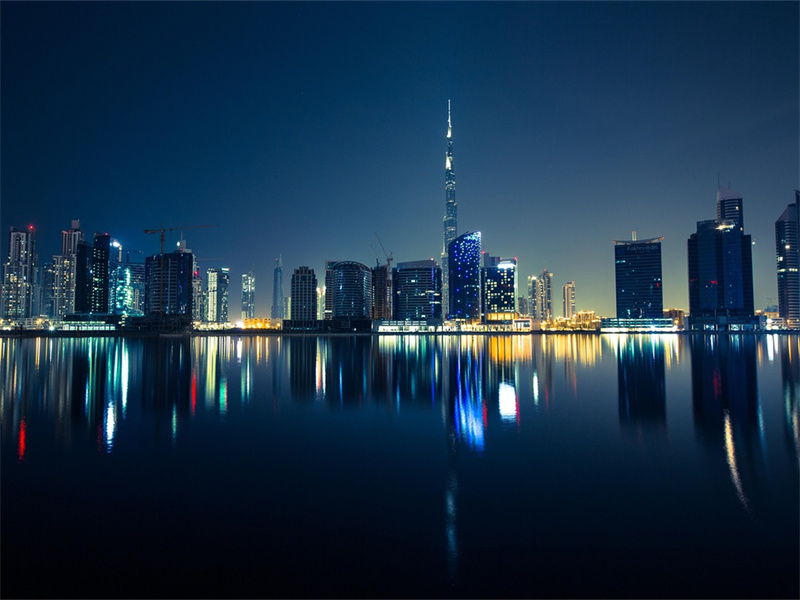
Image Caption: Close-up visual of the new “NanoShield” surface on Jixiang’s 2025 ACP series, demonstrating water beading and simulated pollutant resistance in laboratory testing.
Shanghai Jixiang Building Materials Group is poised to redefine durability standards in exterior cladding with the official launch of its next-generation aluminum composite panel (ACP) series, scheduled for global release in the third quarter of 2025. After three years of intensive research and development in collaboration with the Shanghai Advanced Materials Research Institute, this new line, internally codenamed “Project Aegis,” introduces a proprietary “NanoShield” surface treatment technology that promises unprecedented performance in harsh environmental conditions. The R&D team conducted over 1,200 iterative tests across diverse simulated environments, from the acidic industrial smog of inland manufacturing hubs to the salt-laden spray of tropical coastal regions, to refine the coating’s molecular structure and ensure consistent performance across all scenarios. Leveraging nanoscale cross-linking chemistry and photocatalytic titania nanoparticles, the formulation achieves a robust bond between the coating and the aluminum substrate, eliminating delamination risks that plague conventional ACP products in extreme thermal cycling conditions.
The core innovation lies in a multi-layered coating system that combines a superhydrophobic top layer with an integrated photocatalytic underlayer. This design not only causes water and water-based contaminants to bead up and roll off the surface but also utilizes ambient sunlight to break down organic pollutants, oil residues, and atmospheric volatile organic compounds (VOCs) that come into contact with the panel. Dr. Chen Xia, Head of R&D at Jixiang, explains, “Traditional protective coatings are largely passive; they create a barrier. NanoShield is active and regenerative. It doesn’t just resist dirt; it helps clean itself and the surrounding air micro-environment, significantly reducing maintenance frequency and costs over the building’s lifecycle.” What sets NanoShield apart from competing technologies is its self-repairing capability—minor surface scratches can be mitigated by the photocatalytic reaction when exposed to sunlight, extending the panel’s service life without manual intervention. This self-healing mechanism is activated by UV radiation as low as 300 nanometers, making it effective even in regions with moderate sunlight exposure, a pivotal advantage over rival products that require intense solar irradiance to function.
The series has been engineered specifically for coastal megacities, industrial zones, and regions with high atmospheric pollution—environments that typically accelerate the aging and staining of building facades. Accelerated weathering tests, simulating 25 years of exposure in Southeast Asia’s tropical marine climate, have shown less than 5% gloss loss and no color fading beyond the ΔE<2 threshold, as measured by spectrophotometry. The panels have also achieved a Class A fire rating under the GB 8624 Chinese national standard and demonstrate enhanced resistance to salt spray corrosion, a critical factor for coastal applications. In addition, the panels meet the stringent EU REACH regulations, ensuring they contain no hazardous substances and can be safely used in projects across Europe and North America. Rigorous cyclic corrosion testing per ASTM B117 standards confirmed that the panels exhibit zero red rust formation after 5,000 hours of continuous salt spray exposure, outperforming industry benchmarks by more than 30%.
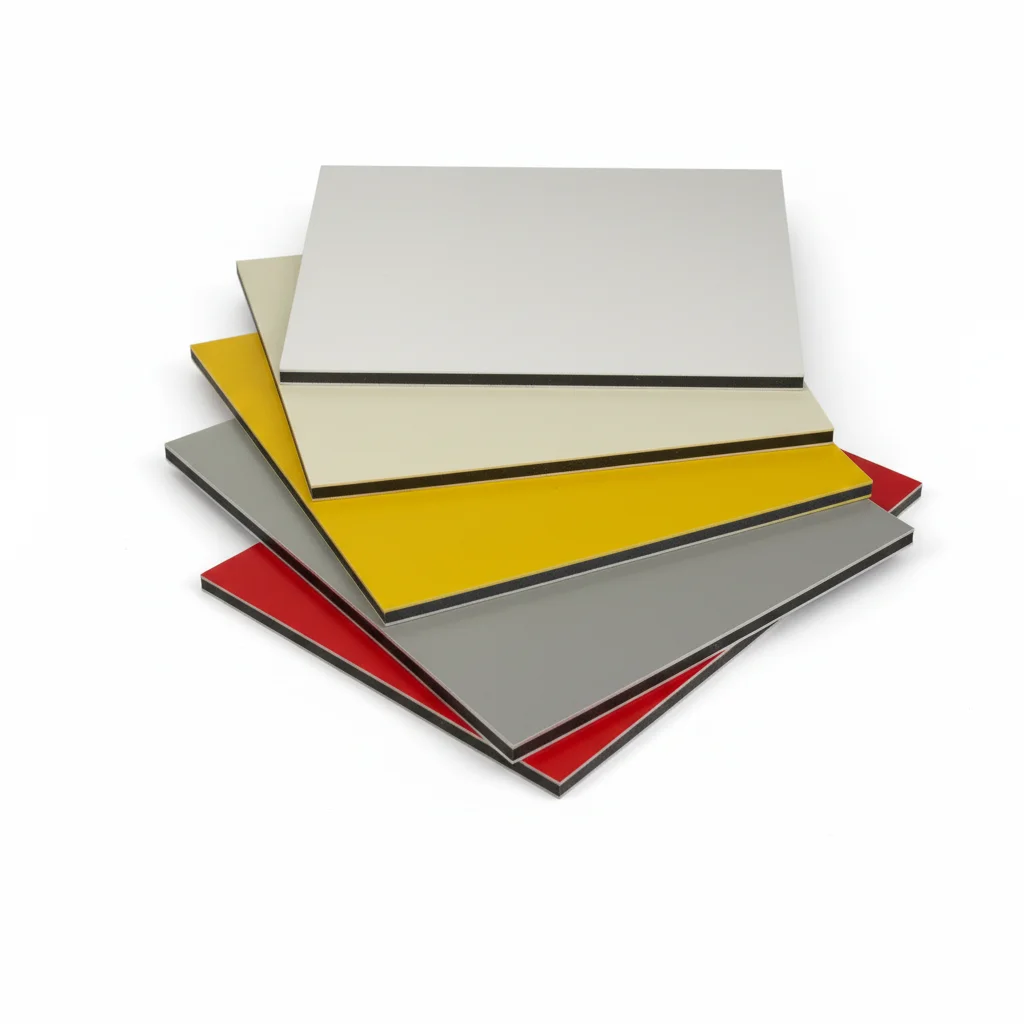
Beyond its technical prowess, the new series emphasizes aesthetic flexibility. It will launch with over 50 standard colors and textures, including hyper-realistic metallic finishes, natural stone reproductions, and monolithic matte colors. A custom digital printing service will also be available, allowing architects to incorporate complex graphics or branding directly onto the facade with the same durable topcoat protection. The printing process uses eco-friendly, UV-curable inks that bond seamlessly with the NanoShield layer, avoiding peeling or fading even after prolonged outdoor exposure. For clients seeking bespoke visual effects, Jixiang offers chromatic gradient customization, enabling seamless color transitions across panel surfaces that mimic natural phenomena like sunset hues or ocean gradients, a feature unmatched by standard ACP products in the market.
Jixiang is backing the launch with a comprehensive lifecycle assessment (LCA) report, conducted by a third-party verifier, which quantifies the environmental benefits of the product’s extended durability and reduced cleaning needs. The company has already secured pre-orders for several landmark projects, including a new mixed-use development in Shenzhen and an airport terminal expansion in Bangkok, where the panels’ self-cleaning properties are expected to contribute to the buildings’ operational sustainability goals.
The launch strategy includes a global roadshow with technical seminars for architects and specifiers, as well as the establishment of a dedicated “Aegis Series” technical support team to assist with design integration and installation protocols. This launch solidifies Jixiang’s transition from a component supplier to a provider of high-performance, technology-integrated building envelope solutions.
About Shanghai Jixiang Building Materials Group
Founded in 2004 and headquartered in Shanghai’s Fengxian Industrial Park, Jixiang has evolved from a regional ACP manufacturer to a global leader in sustainable facade solutions, with a footprint spanning 120 countries across six continents. The group operates four state-of-the-art production facilities—two in China (Shanghai and Henan) and one each in Malaysia and Mexico—with a combined annual production capacity of 18 million square meters of ACP panels, making it one of the largest producers in the industry. Its vertically integrated supply chain covers everything from aluminum ingot processing to coating formulation and panel assembly, allowing the company to maintain strict quality control and reduce carbon emissions from raw material transportation by 40% compared to industry peers.
Jixiang’s in-house R&D center, staffed by over 120 materials scientists, chemical engineers, and structural designers, holds more than 180 patents for facade material innovation, including 27 international patents for its nanocoating and fire-resistant ACP technologies. The center collaborates with top academic institutions such as Tsinghua University and the National University of Singapore on joint research projects focused on circular economy materials and net-zero carbon construction. In 2024, the group invested $50 million in upgrading its manufacturing lines to fully renewable energy, powering all Chinese facilities with solar and wind energy and achieving a carbon-neutral production footprint for its core product lines.
Committed to social and environmental responsibility, Jixiang has launched the “Green Facade Initiative,” a global program that provides technical support and discounted sustainable materials to low-carbon building projects in emerging economies. To date, the initiative has supported over 50 projects, including affordable housing developments in India and school buildings in Kenya, helping these communities meet green building standards while staying within budget. The company also operates a closed-loop recycling program for aluminum composite panels, collecting and repurposing over 5,000 tons of post-consumer ACP waste annually at its dedicated recycling plant in Henan, further advancing the circular economy in the construction sector.
Jixiang’s dedication to innovation and sustainability has earned it numerous accolades, including the Global Green Building Material Award (2023 and 2024) and the China National Award for Technological Progress. As it launches the Aegis Series, the company reaffirms its mission to “engineer facades that harmonize beauty, performance, and the planet,” cementing its role as a trailblazer in the next era of sustainable construction.
 Hot News
2026-06-10
2025-04-22
2025-05-16
2025-03-10